
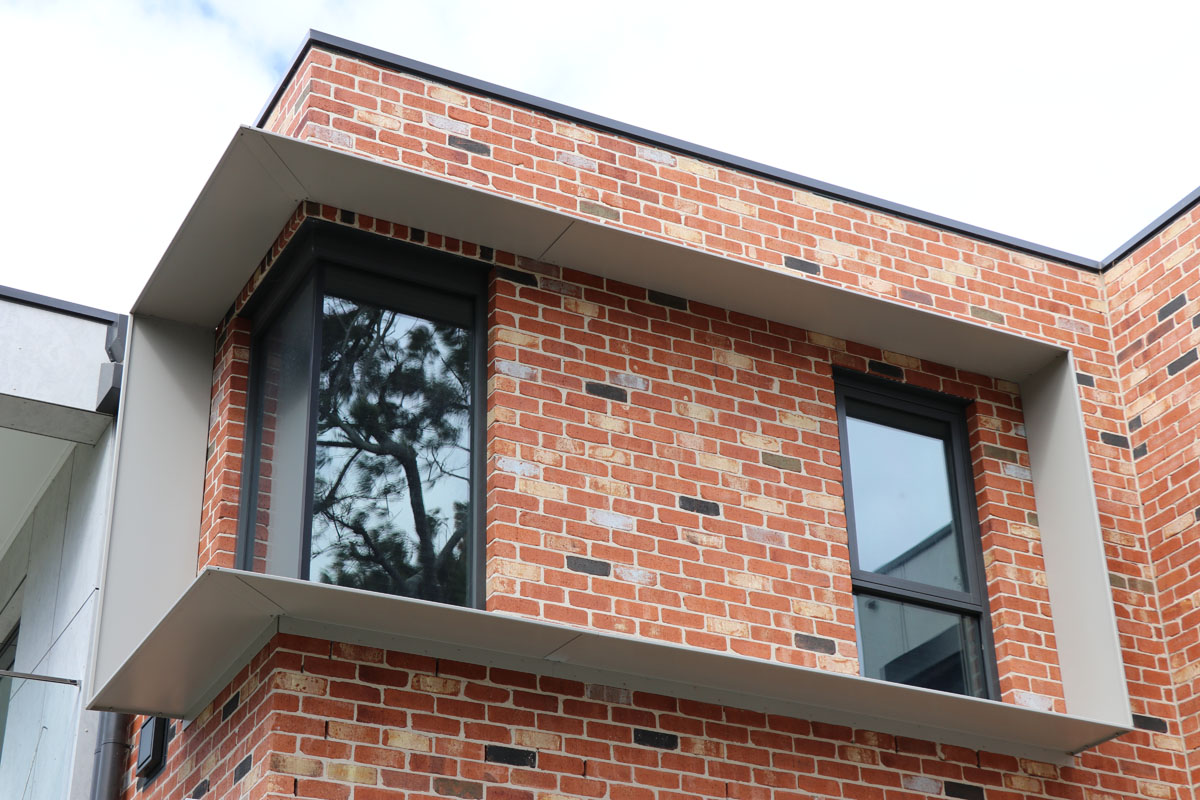
Not all window shrouds are the same shape. The configuration you need, meaning how many sides the shroud wraps around the window opening, depends on the facade design, the window reveal, and what the shroud is being asked to do architecturally.
This guide covers the four main configurations Alumac fabricates, with typical applications for each.
What Is a Window Shroud Configuration?
A window shroud is an aluminium surround fitted to the external face of a building around a window opening. Depending on the design intent, a shroud may wrap around one, two, three, or all four sides of the opening.
The configuration affects the visual weight of the shroud on the facade, the degree of weather protection it provides, and how it integrates with the surrounding cladding or render system.
1-Sided Shroud
A single panel fitted to one side of the window opening, also known as a sun hood, and most commonly the head (top). Used where the design intent is a simple horizontal expression rather than a full surround, or where only one face of the opening is exposed and requires definition.
Common applications: commercial facades with a strong horizontal datum line, clerestory windows, and window openings set into deep reveals where only the head profile is visible.


2-Sided Shroud
Two panels fitted to opposing or adjacent sides of the opening. The most common configuration is head and sill (top and bottom), which frames the window horizontally and provides weather protection to both the top and bottom of the opening. Head and jamb configurations (top and one side) are used where a corner condition or asymmetric facade treatment is required.
Common applications: residential windows where head and sill protection is the primary requirement, and commercial projects with a defined horizontal banding expression.


3-Sided Shroud
Three sides of the opening, typically head and both jambs (leaving the sill open), or head, sill, and one jamb. The three-sided configuration is common where the sill has its own separate detail such as a projecting sill or a window sill extrusion, and the shroud is providing the vertical and overhead surround only.
Common applications: multi-unit residential projects, commercial office facades, and any application where the sill treatment is handled separately as part of the window or facade system.


4-Sided Shroud (Full Surround)
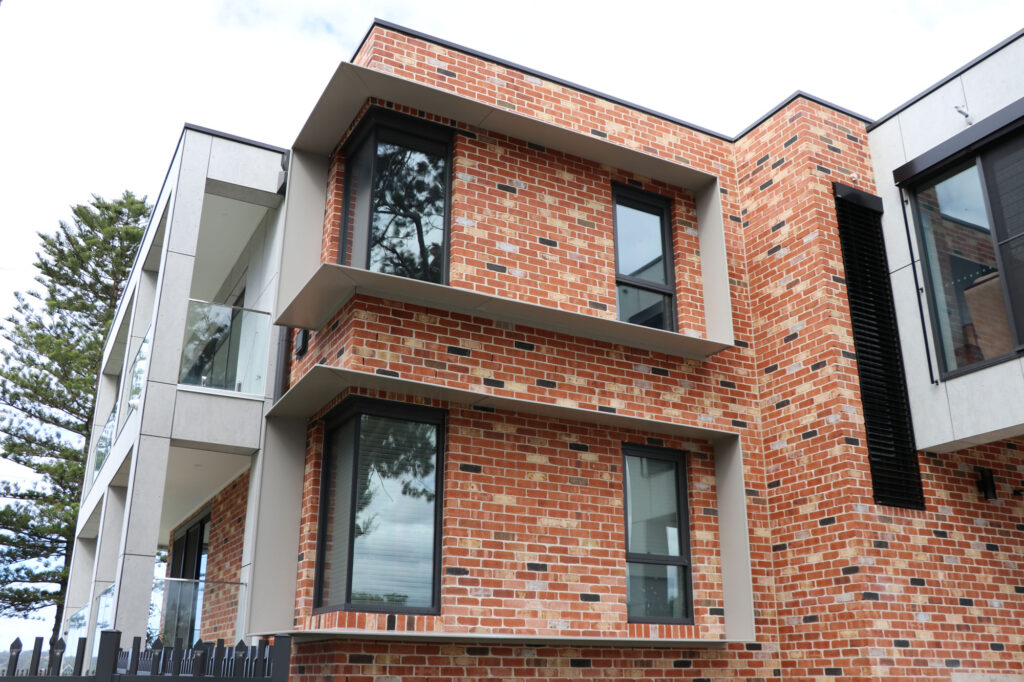
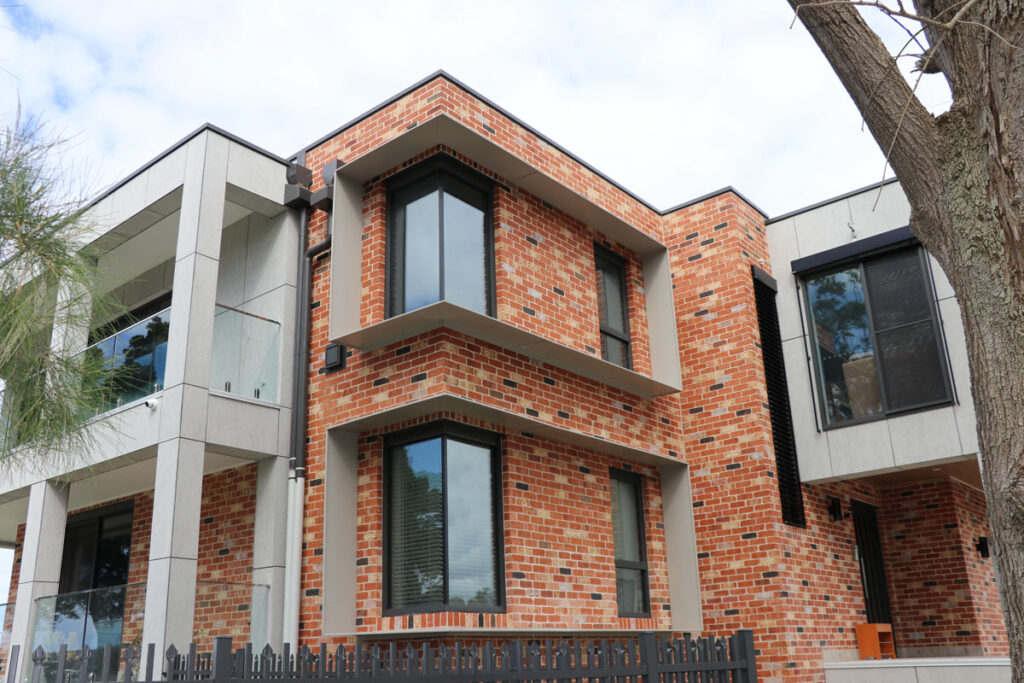
All four sides of the opening, head, sill, and both jambs. The full surround provides the strongest visual definition of the window opening and the greatest degree of weather protection. It also gives the most consistent appearance across a facade where window sizes vary, as the shroud creates a uniform frame regardless of the opening dimensions beneath it.
Common applications: residential and commercial projects where architectural expression is a primary consideration, heritage-adjacent buildings requiring strong window articulation, and facades where weather protection on all sides is required.


Corner Configurations
Where two windows meet at a building corner, a corner shroud configuration allows the surround to wrap continuously around the external angle without an awkward junction. This requires fabrication of a mitred or folded corner section and is typically specified on contemporary residential and commercial projects where the corner glazing is a feature of the design.
Choosing the Right Configuration
The right configuration comes down to three questions:
- What sides of the opening are exposed and need definition or protection?
- Does the sill have its own separate detail, or does it need to be part of the shroud?
- What is the architectural intent, minimal expression, strong surround, or a continuous facade element?
Alumac fabricates window shrouds to custom dimensions in all configurations, powder-coated to specification. If you are working through a window shroud specification and are unsure which configuration suits your project, contact us at (02) 9525 2177 or visit Window Shrouds for the full range.

Greg Wallis, Manager, Alumac Industries and Strip Drains Sydney. Greg is a skilled business management and product design professional with years of hands-on experience. Greg has designed myriad innovative metal building products that blend quality, craftsmanship and architectural products for the building and construction industry.
